Back-to-School Stories: Connecting Children with Books and Family Memories
Back-to-school season brings new teachers, new classmates, new routines, and many different emotions. Some children feel excited, while others may feel nervous about entering a new classroom, making friends, finding their way around the building, or wondering where they will sit during lunch. Children’s books about school can help make these experiences feel more familiar. Stories about friendship, kindness, bullying, teachers, classroom mistakes, and first-day worries can show children that they are not alone.
A good school story can also open the door to a much larger conversation between children, parents, and grandparents.
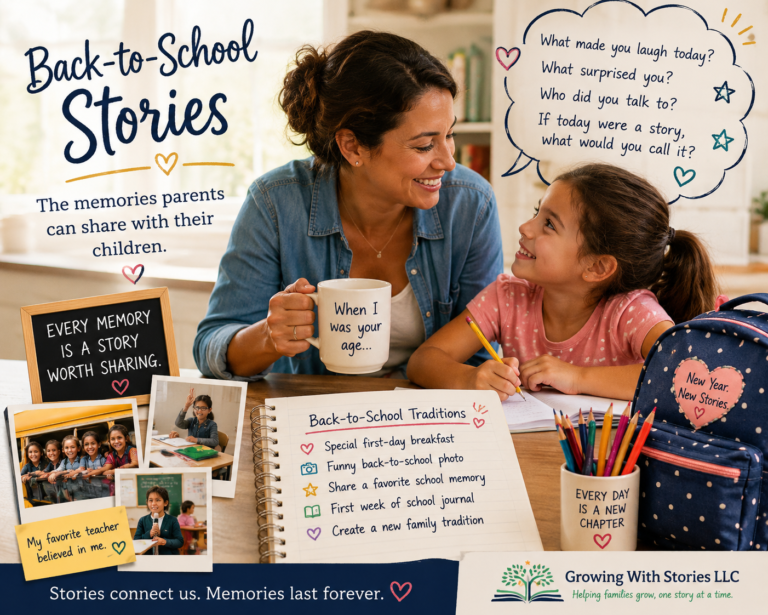
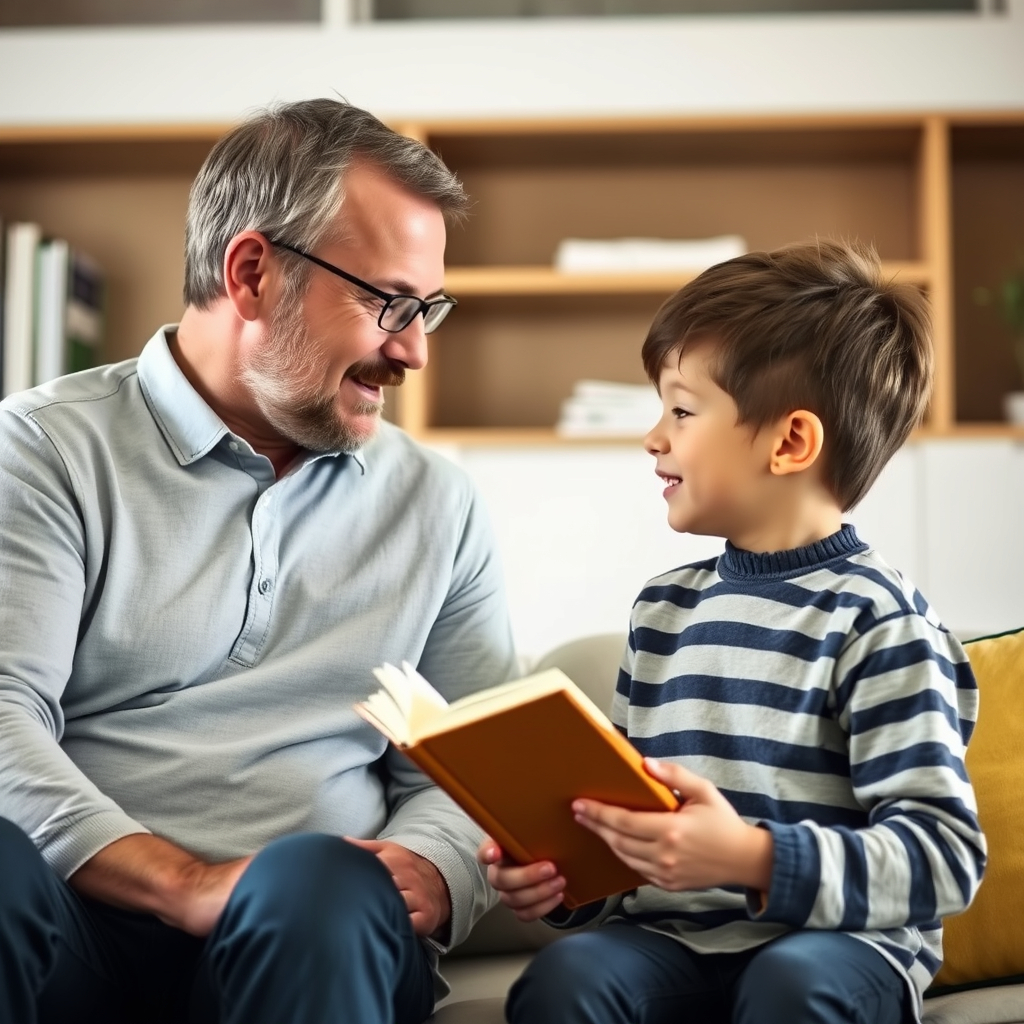
After reading a book about school, parents can share memories from their own childhoods. Children may be surprised to learn that their parents were once nervous on the first day of school, struggled with a difficult subject, had a favorite teacher, dealt with a bully, or worried about making friends.
Parents might talk about:
- Their childhood best friends
- A funny or unusual teacher
- A meaningful teacher who believed in them
- A difficult classmate or bully
- Games they played during recess
- Memories from the school lunchroom
- The first lunch box they carried
- A school subject they loved
- A class they found difficult
- An embarrassing moment that seems funny now
Even small memories can become meaningful family stories.
- What did Mom bring for lunch?
- Did Dad ride a school bus?
- What did Grandma wear on her first day of school?
- Was there a teacher whose kindness was never forgotten?
- Did a parent ever get lost in the hallway, forget an assignment, or accidentally walk into the wrong classroom?
These conversations help children see their parents and grandparents in a new way. They also teach children that family history is not made only from major events. It can also be found in lunch boxes, playground friendships, classroom fears, favorite books, school traditions, and the teachers who helped us believe in ourselves.
A Few Back-to-School Books to Read Together
Families may enjoy choosing books together that reflect different parts of school life, from first day worries to friendship, belonging, mistakes, and kindness.
First Day Jitters by Julie Danneberg uses humor and a clever surprise to explore nervousness about the first day of school. It can lead to conversations about whether parents also felt nervous before meeting a new teacher or entering a new classroom.
The Day You Begin by Jacqueline Woodson explores the courage it takes to enter a place where no one seems to know or understand you yet. It may invite family stories about feeling different, being new, or finding the confidence to share something personal.
Will I Have a Friend? by Miriam Cohen follows a child who wonders whether he will make a friend on his first day of kindergarten. After reading it, parents might share memories of their first best friend, someone who helped them feel welcome, or a friendship they still remember.
A New School Year by Sally Derby introduces several children with different hopes, fears, and experiences as school begins. The book can encourage conversations about family traditions, favorite subjects, classroom mistakes, and the many ways children experience the same school day.
Olu’s Teacher by Jamel C. Campbell tells the story of a child who is uncertain about starting preschool but gradually discovers that his teacher is warm and approachable. It may encourage parents and grandparents to remember teachers who helped them feel safe, understood, or capable.
Let the Story Continue After the Book Ends
When choosing children’s books about school, look for stories that explore friendship, courage, empathy, problem-solving, inclusion, and respect for differences.
Books about teasing or bullying can help children talk about situations they may be afraid to mention directly. Funny school stories can reduce tension, while stories about caring teachers can remind children that trusted adults are available to help.
After reading, parents might ask:
“What part of the story reminded you of your school?”
“Have you ever felt the way this character felt?”
“What would you do if you saw someone being left out?”
“What makes a teacher meaningful?”
Then share one of your own school memories. The book does not need to provide every answer. Its greatest value may be in what happens after the final page: a child asks a question, a parent remembers a story, and family members begin talking about the school experiences that helped shape who they became.
This back-to-school season, reading together can become more than preparation for the classroom. It can become a bridge between generations. A children’s book may begin with a school bus, a teacher, or a lunchroom, but it may lead to stories your children will remember for the rest of their lives.
At Growing With Stories LLC, we believe that stories help families listen, connect, remember, imagine, and grow together.
About the Author
Eugene Roginsky is an Illinois-based psychotherapist, writer, and educator with a lifelong passion for the transformative power of stories. Through Growing With Stories LLC, he encourages children and families to read, imagine, communicate, and grow together.